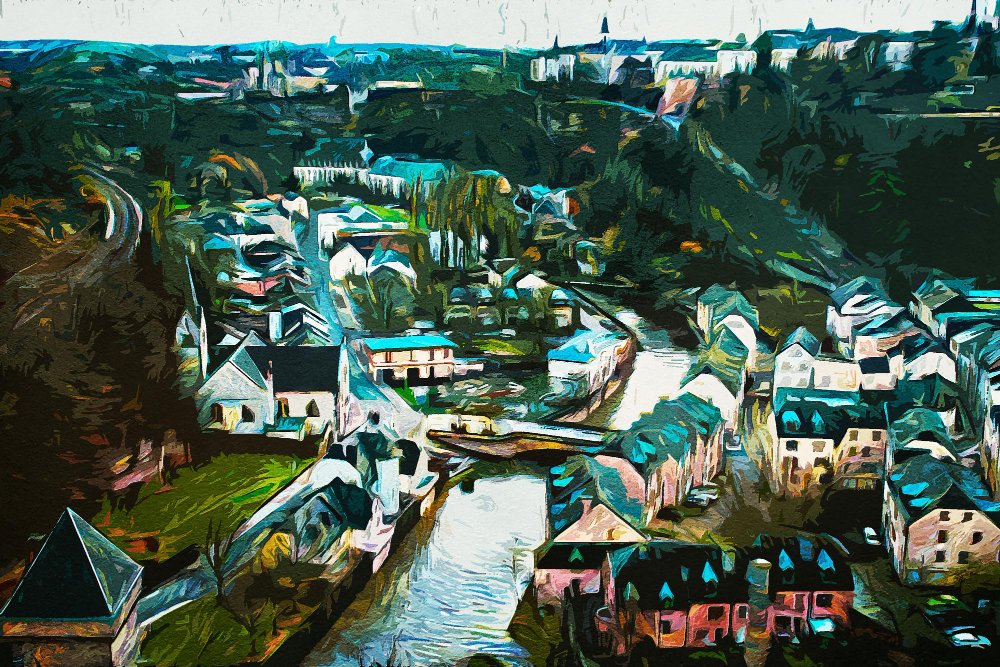
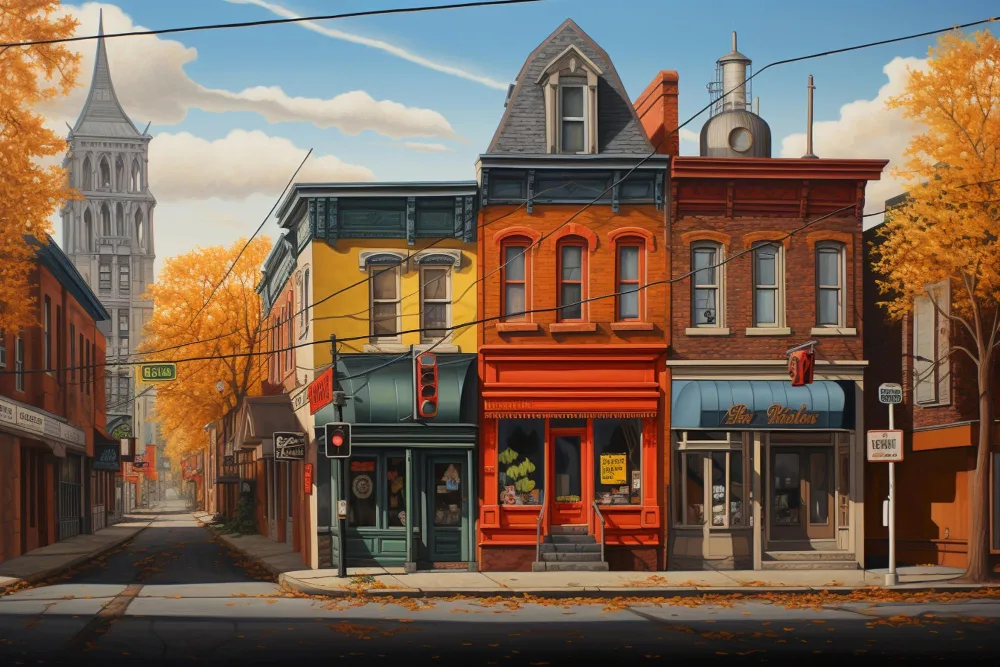
A line-drawn map of the Harbourside pinned in a café, a set of botanical studies outside a florist close to the Arts Trail route, a heron sketched in ink above the fishmonger’s, and at least three shopfronts with hand-drawn illustration work hanging in the window are all visible if you stroll down Gloucester Road on a Saturday morning. Bristol accepts more than just decorative illustrations. Alongside the street art for which the city is more well-known outside, it is treated as an integral component of the city’s genuine lexicon.
That is actually the foundation for comprehending Bristol’s hand-drawn images; this is not a new trend. The city already communicates with itself in this way.
Why Bristol, Specifically
Here, a few things come together that do not occur simultaneously in most cities. In terms of street art, Banksy’s early work in Stokes Croft and the Bearpit area undoubtedly made Bristol famous for its visual storytelling decades before the term “content” was ever used to describe art. Beneath that dramatic scenario, however, is a far more subdued and stable legacy of illustrators working in pen, ink, watercolor, and pencil often for years without much attention.
The Royal West of England Academy (the RWA) frequently includes drawing and illustration alongside painting and sculpture in its shows, and Spike Island has long been home to illustration-adjacent studio practices. When you include Bristol’s design and animation sector Aardman is headquartered here, after all you have a city full of people who were skilled in hand-drawn work long before digital tools became the norm.
If you are genuinely looking for or commissioning original illustration work, that combination is important. You are not dealing with a small group of enthusiasts. The city you are viewing has a functioning illustration economy.
What Makes Hand-Drawn Work Different
It’s worth being honest about why hand-drawn illustration still holds up against digital alternatives, because the case isn’t really nostalgia.
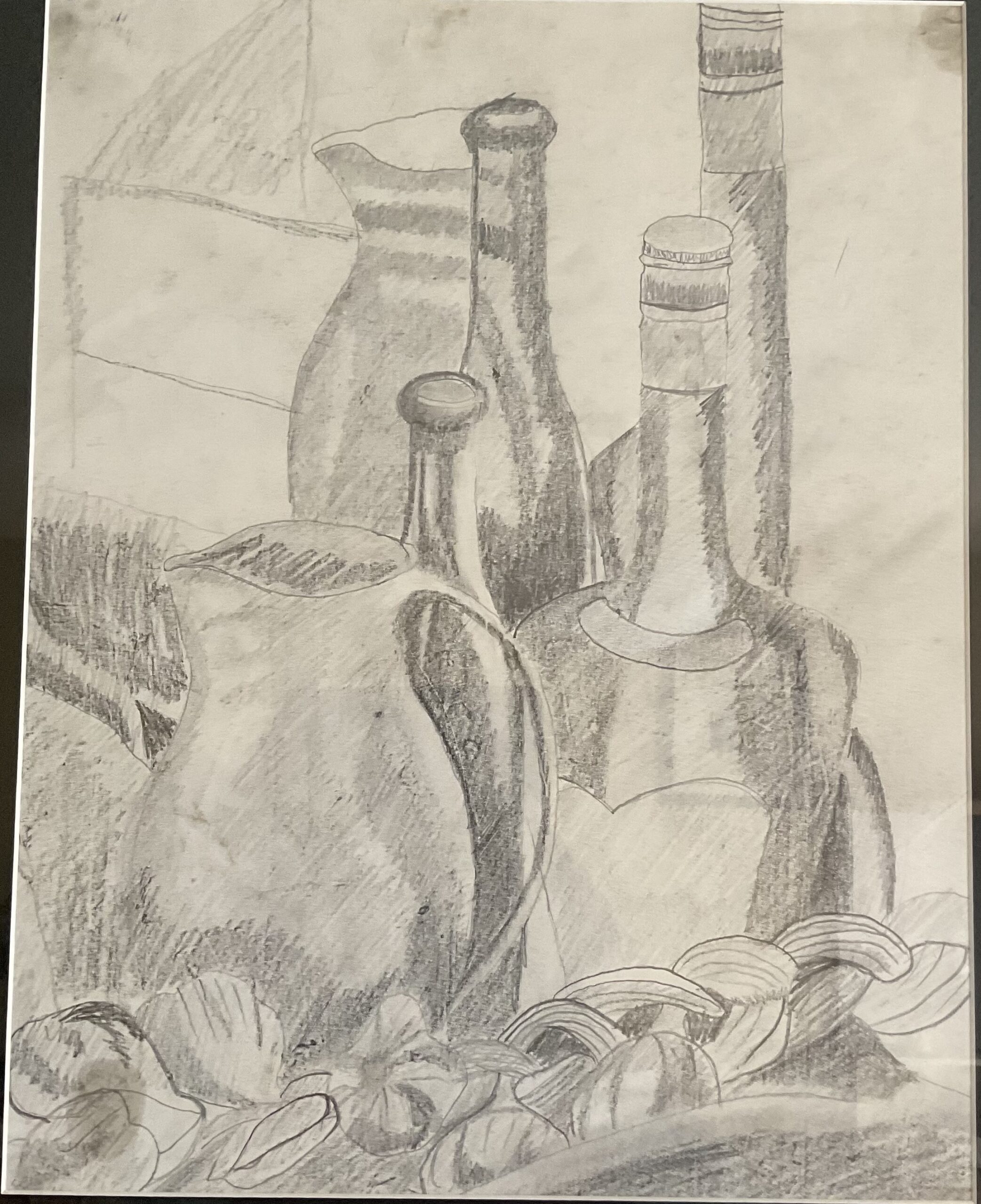
A hand-drawn line carries the pressure, hesitation, and correction of the person who made it. You can often see where a pen pressed harder, where a line got redrawn, where the artist changed their mind mid-stroke. Digital illustration can mimic this, but it’s imitating a texture that hand-drawn work produces naturally, as a byproduct of the process rather than a filter applied afterward.
There’s also the pacing. Hand-drawn illustration takes longer, and that time shows up in the final piece in the density of cross-hatching, in the small inconsistencies that make a drawing feel like it was made by an actual hand rather than generated. For anything trying to tell a story, a children’s book spread, an editorial piece, a mural, a shop’s brand identity that texture does real work. It signals “a person made this decision,” which readers and viewers register even if they couldn’t explain why.
Where Bristol’s Illustration Scene Actually Lives
A few things are important to know if you are delving deeper into something than merely reading about it.
Given the abundance of street art, Stokes Croft and the Bearpit continue to be the most prominent access points. However, if you stray a few streets off the main pathways, you can find studio spaces and small galleries that display framed illustration work alongside the larger murals.
Gloucester Road is home to a number of independent galleries and stores that frequently feature the work of local illustrators at affordable prices because many of the pieces are purchased directly from working artists rather than through a formal gallery markup.
Every now and then, Spike Island, which is close to the harbor, hosts open studio events. This is actually one of the best opportunities to see illustrators in the middle of their work rather than simply seeing finished, framed pieces.
The more refined, exhibition-style illustration exhibitions that are more akin to those found in a carefully chosen gallery setting are typically found in Harbourside and the Old City.
Instead of reselling prints that have previously gone through multiple hands, we at artisanalgalleryhub.com spend our time sourcing directly from illustrators operating throughout these parts of the city. This distinction is more important than most people realize. Purchasing closer to the source typically results in better provenance, a more understandable backstory, and frequently a more equitable pricing for the artist creating the actual drawing.
What to Look For If You’re Commissioning or Buying
A few honest, practical things worth checking, especially if you’re new to this.
Ask about the medium directly: pen and ink, graphite, watercolour wash, charcoal since each produces a distinctly different feel, and a good illustrator can usually tell you why they chose one over another for a particular piece. Ask whether the piece is an original or a print, and if it’s a print, how limited the run is. Original hand-drawn pieces are one-offs by nature, which is part of what gives them lasting value.
It’s also worth asking about the artist’s process a little. Illustrators who’ve been doing this for years tend to enjoy talking about it, and their answers usually tell you more about the quality of the work than any artist statement pinned next to the piece.
The Bigger Picture
Hand-drawn illustration in Bristol isn’t really competing with digital art, and framing it that way misses the point. It’s doing something digital tools weren’t built to replicate, carrying the visible trace of a person’s hand, hour after hour, until a story sits on the page.
Whether you’re commissioning a piece for a book, decorating a space, or just wandering Gloucester Road on a Saturday looking for something that stops you mid-step, Bristol’s illustration scene rewards a bit of curiosity. Follow the smaller galleries, ask questions at open studios, and pay attention to the pieces that make you look twice. That instinct is usually pointing you somewhere worth exploring further.