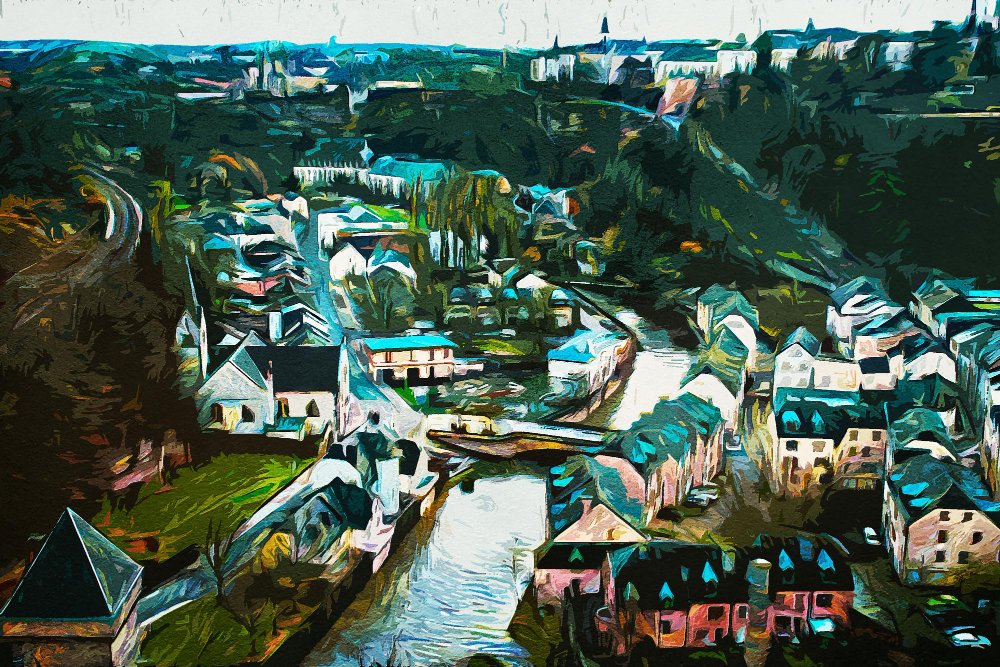
Most individuals have a moment when they are driving home from work, lying awake at two in the morning, gazing at a painting in a quiet gallery, and an odd question comes to mind: who am I really, beneath everything I do all day? The answer to that question is what people refer to as your “inner landscape.”
It is more of a helpful image than a trendy self-help term. Your inner world has its own geography, moods that change, past wounds that are still sensitive in some areas, and regions you have not fully explored yet, just like a real landscape contains hills, valleys, storms, and peaceful clearings.
What “Inner Landscape” Actually Means
Think about it as the emotional and intellectual territory you convey around with you. Your fears stay anywhere in there. So do your values, the belongings you’re happy with, the regrets you have not pretty made peace with, and the quiet hopes you don’t typically say out loud. most folks stroll through existence paying a long way greater interest to the outer panorama cut-off dates, relationships, payments, the next aspect on the calendar than we ever do to what is taking place internally.
That’s not a character flaw. It’s just easier. The outer world gives you clear tasks and clear feedback. The inner one is messier, slower, and doesn’t come with a checklist.
But ignoring it has a cost. Unexamined emotions don’t just disappear — they tend to show up sideways, as irritability, exhaustion, or a vague sense that something’s off even when life looks fine on paper.
Why This Journey Matters
In actuality, self-discovery is not a destination. It is more akin to caring for an unfinished garden. However, once someone begins to pay more attention to their inner world, certain actual, physical things tend to change.
Instead of being reactive, you begin to make judgments with more clarity. Because you are aware of your own triggers rather than being caught off guard by them, relationships become more stable. Additionally, there is a type of quiet resilience that develops with time; this is not the phony “always optimistic” variety, but rather the more resilient form that results from truly understanding oneself, warts and all.
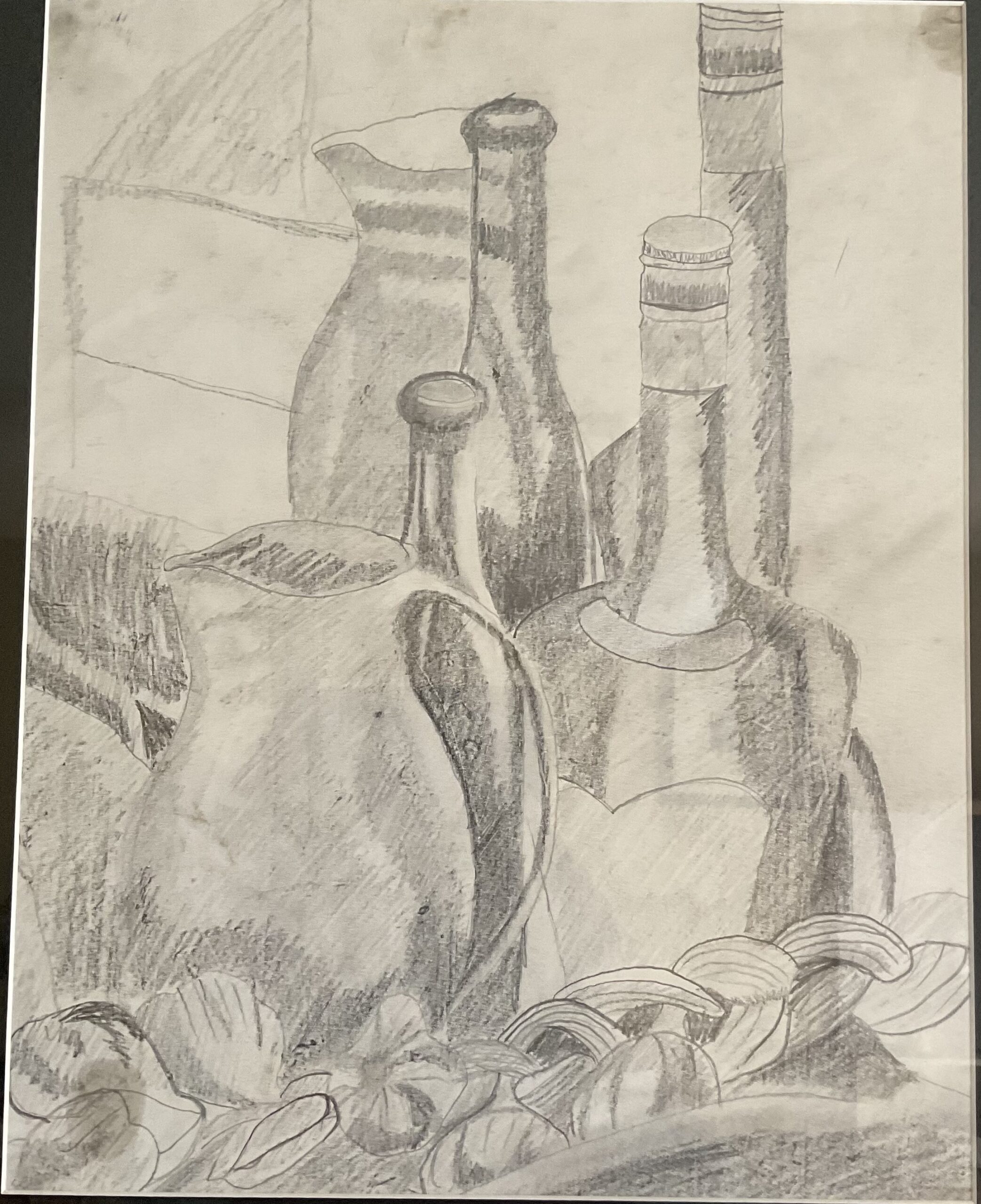
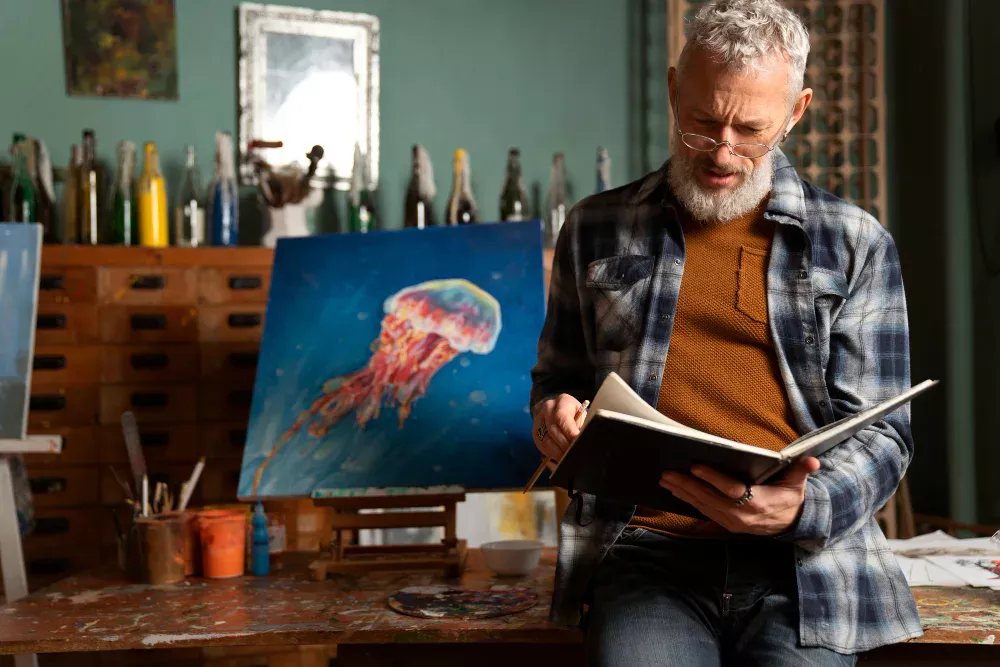
Additionally, gallery visitors and artists often have an instinctive understanding of something that other people do not. The method alone is not what makes a piece of art move you. It touches you because it touches a part of your inner landscape that words often fail to capture. Whether they would admit it or not, this is one of the reasons people are first drawn to galleries: art provides expression to emotions that are difficult to articulate.
Where to Actually Start
Nobody is completely self-aware when they wake up. It occurs in tiny, occasionally unpleasant steps.
Even a few honest sentences in a journal might be more beneficial than most people realize. Not the polished, Instagram-caption kind of writing, but the untidy, raw style in which you let yourself write the sentence you would otherwise cut out. Usually, something genuine appears there.
Another is to sit in discomfort rather than address it right away or find an alternative. The moment an uneasy feeling arises, most of us grab for our phones. Months of avoidance will never teach you as much about yourself as five minutes of simply allowing a sensation to exist without hurrying to explain it away.
It is also worthwhile to take seriously spending time with art, music, or anything else that evokes feelings you can not quite put your finger on. Usually, that fleeting thought of “why does this upset me so much” indicates something worth investigating. Many people discover that spending a peaceful afternoon exploring a gallery accomplishes more emotional work than they anticipated upon entering.
Speaking with someone, a therapist, a close friend, or even a complete stranger on a lengthy flight allows you to hear your own thoughts aloud, which transforms them. Speaking to someone about your feelings makes them seem more genuine and frequently less frightening than they were in your brain.
The Emotional Weather Isn’t Always Calm
Here’s the part people don’t love hearing: this kind of growth isn’t always pleasant. Sometimes turning inward means running into old grief you thought you’d dealt with, or noticing a pattern in your relationships that’s uncomfortable to admit. That’s not a sign you’re doing it wrong. If anything, it means you’re actually looking, rather than just skimming the surface.
Growth rarely feels like a straight line upward. It’s closer to actual weather — clear stretches, sudden storms, long foggy periods where nothing seems to be happening even though something quietly is.
Why It’s Worth the Effort Anyway
Individuals who have engaged in genuine inner work frequently report the same thing, strangely consistently: that they became more stable inside themselves rather than that life became easier. Difficult things continue to occur. There are still bad days. However, the experience of being caught off guard by your own responses is less prevalent.
Being a different person is not the goal of exploring your inner terrain. You are getting closer to having a good map of who you already are, including the aspects you like, the aspects you are still working on, and the aspects you have only recently become aware of.
You do not actually end that kind of peaceful, continuous self-discovery, and it does not happen all at once. However, every bit of sincere care you give it tends to pay off in ways that are difficult to perceive from the outside, like stronger decisions, more meaningful relationships, and a little more tranquility with the person looking back at you in the mirror.